Preparation Tips for Painting Different Surfaces Around The Home
Posted by Brant Heritage Painting, Wednesday, August 14th, 2024 | 951 views
When it comes to giving your home a fresh look, a fresh coat of paint is one of the go-to choices for a quick and impactful makeover.
The key to achieving a professional finish is in the preparation process. The preparation process involves understanding the characteristics of each material to be painted and using the right techniques so the final outcome looks good. Each type of surface needs specific preparation steps so the paint adheres properly, lasts longer and appear flawless.
This guide will give you painting preparation tips for various surfaces around your home and help you achieve decent results that can transform your space.
Preparing Wooden Surfaces
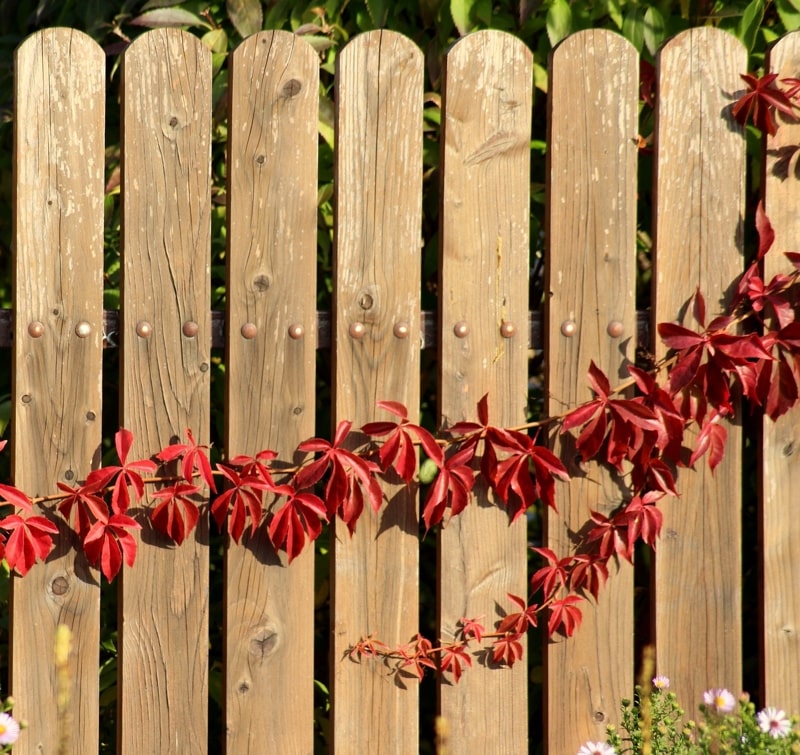 Sand and Clean the Surface
Before you begin painting a wooden surface, start by sanding it down to remove any old paint or varnish. This step smooths out imperfections and increases the adhesion abilities of the new paint.
After sanding, clean the surface with a damp cloth to create a clean base for painting.
Apply the Primer Coat
Wood is porous (tiny holes and cracks), and applying a primer will seal these pores and help in getting a more even finish. The primer also blocks stains and wood tannins (naturally occurring chemicals found in tree sap) from bleeding through the final coat of paint.
You can read our quick guide on how to properly prepare wooden window sills, frames, and shutters for painting, for essential techniques for these specific areas of your home.
Preparing Metal Surfaces
 Rust Removal and Sanding
Metal surfaces need special attention, especially if there’s rust involved. To prepare metal for painting, use a wire brush or strong sandpaper to remove rust and flaking paint.
Once the surface is clean, wipe it down with a degreaser to remove any oily residues and debris that could prevent the paint from adhering properly.
Using the Right Primer
Metal surfaces require a different type of primer than wood or cement surfaces do. Metal primer has rust-inhibitors that help prevent future rusting and is specifically formulated to bond with metal and provide a durable base for the first coat of paint.
Preparing Drywall
Repair and Smooth Out the Surface
First inspect the drywall for any holes or other imperfections and fill them with compound. Once the compound dries, sand the area until smooth. It’s important to ensure that all seams and joints are properly sealed before painting so the final results look proper.
If you have to go over it a few times that is fine just as long as you don’t sand the area too much and create a small dent or slope in the wall.
Priming the Drywall
After the repairs and sanding is done, it’s time to apply the primer. This will help to avoid a blotchy finish and ensure a uniform color and sheen across the wall when it’s done.
Special Preparations for Concrete
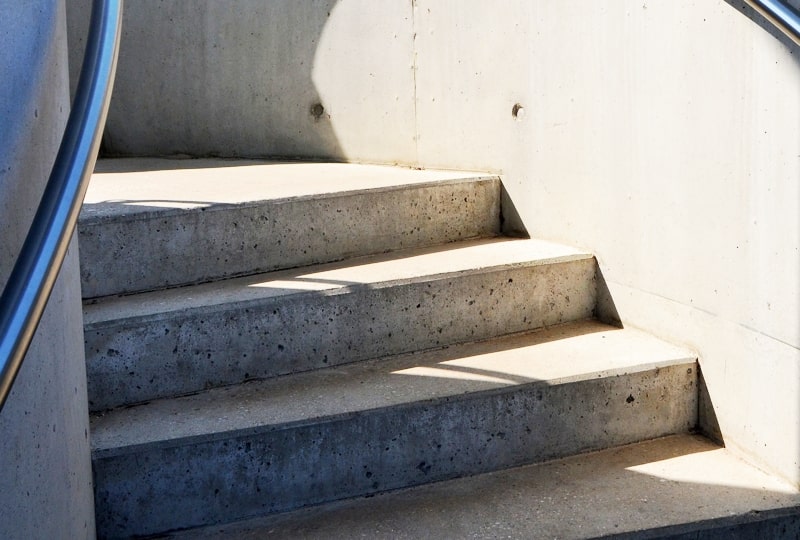 Cleaning and Moisture Check
Concrete must first be cleaned and free of any moisture before painting. Use a power washer to remove dirt and debris, and do a moisture test by taping a plastic sheet to the surface and checking for condensation underneath it after a day.
If moisture is present, wait another day and check again until there’s no moisture buildup and it’s dry.
Applying Etcher and Primer
For concrete, an etcher cleaning solution can be used, followed by a primer that’s designed for concrete and improve the durability and appearance of the paint job.
Get Your Paint Brushes Out
With the tips, you’re equipped to tackle any painting project with confidence. Just remember that the effort you put into preparing these surfaces, will reflect in the quality of the finish and the final results.
Gather your painting supplies, and let’s make your home look new again!