The Types of Paint You Need for Every Project
Posted by Brant Heritage Painting, Thursday, February 8th, 2024 | 698 views
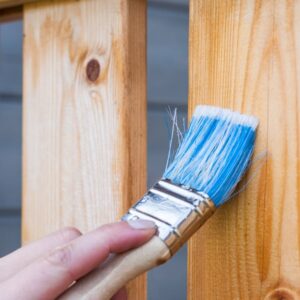 Starting a DIY project can be fun whether you’re refreshing a room, giving new life to old furniture, or adding a personal touch to your commercial space. In all DIY painting projects, the right type of paint makes all the difference.
In this article we’ll guide you through the various paint types and when and where to use them so your DIY project turns out perfect and lasts as long as it can. This information can be applied to exterior house painting or if you’ve hired interior house painters to do the job for you.
Combining our professional expertise with your personal style, we’re going to focus on quality and durability, and we’ll help you select the perfect paint for each project.
Why Make Sure To Choose the Correct Paint Type
- Durability: Selecting the right paint ensures a long-lasting finish that resists wear and tear.
- Aesthetic Appeal: The correct finish enhances the beauty of your project, giving it a professional look.
- Easy Maintenance: Durable and suitable finishes make cleaning and upkeep simpler.
- Cost-Effectiveness: Using the appropriate paint can prevent the need for frequent touch-ups.
- Improved Functionality: Specialty paints can add unique features to your spaces, such as magnetic or writable surfaces.
Understanding Paint Finishes
Matte Paint: Matte is ideal for ceilings and low-traffic areas, matte paint offers a non-reflective finish that hides imperfections very well but it can be a little less durable and harder to clean.
Eggshell and Satin Paint: This is a balance between matte and glossy and offer a slight but noticeable sheen that’s much easier to clean. These types of paint are suitable for living rooms, bedrooms, hallways and staircases.
Semi-gloss and Gloss Paint: This highly durable paint and it’s easy to clean. A gloss or semi-gloss finish is perfect for high-traffic areas, kitchens, and bathrooms. They reflect light which makes certain spaces appear brighter.
The Paint for Each Surface
When you’re choosing your paint, selecting it involves considering the surface you’re going to paint.
- For wood projects, opt for paints that adhere well and offer protection against wear.
- Metal surfaces require paints that prevent rust.
- Masonry projects benefit from breathable formulations to prevent moisture buildup.
Specialty Paints for Unique Projects
For projects requiring extra durability or specific effects, specialty paints can be your go-to choice.
For instance chalkboard paint turns walls into writable surfaces while magnetic paint allows for easy attachment of magnets. There are even paints designed to reduce odors or prevent mold growth in damp areas.
Specialty paints are usually chosen by families that have small children and pets, or in rooms like recreation rooms or finished attics.
Practical Applications and Tips
Remember that when you’re about to tackle a DIY painting project, you have to get prepared.
You need to ensure surfaces are clean, dry, and smooth and to use a primer to work as a paint adhesion and enhance the true color of the topcoat.
We always advise our DIY customers to follow the paint manufacturer’s recommendations on proper application methods and drying times just so they can get it right the first time.
Professional Tip: Always – and we mean always test paint colours on a small area before committing to the entire project. The lighting in the room or area can dramatically affect the appearance of the paint color and making too many mistakes becomes costly, daunting and time consuming.
Choose Wisely Before Starting Your Project
Remember – selecting the right type of paint is not just about aesthetics – it’s about ensuring durability, ease of maintenance, and the overall success of your project. When choosing your paint, keep in mind the surface you’ll paint, the area’s function, and the desired finish which should make the DIY project a success.
For those that live in Brantford and think they need professional painting help, feel free to reach out to us for guidance and a high-quality solution tailored to your needs.